Frequently Asked Questions
What is BRICS?
BRICS brings together eleven major emerging markets and developing countries of the world: Brazil, China, Egypt, Ethiopia, India, Indonesia, Iran, Russia, Saudi Arabia, South Africa, United Arab Emirates. It serves as a useful platform for consultation and cooperation on contemporary issues having global as well as regional significance, and issues of global political and economic governance.
When was BRICS established?
BRICS was formalized during the 1st meeting of BRIC Foreign Ministers on the margins of United Nations General Assembly in New York in 2006. The 1st BRIC Summit was held in Yekaterinburg, Russia, in 2009. It was agreed to expand BRIC into BRICS with the inclusion of South Africa at the BRIC Foreign Ministers’ meeting in New York in 2010. Accordingly, South Africa attended the 3rd BRICS Summit in Sanya in 2011.
When was BRICS expanded?
In 2011 South Africa joined the grouping, making it BRICS. A further expansion of BRICS took place in 2024 with Egypt, Ethiopia, Iran, Saudi Arabia and UAE becoming member countries. Further, Indonesia joined BRICS in 2025.
Who are BRICS member countries?
The BRICS is a group formed by eleven countries: Brazil, China, Egypt, Ethiopia, India, Indonesia, Iran, Russia, Saudi Arabia, South Africa, United Arab Emirates.
Who are BRICS partner countries?
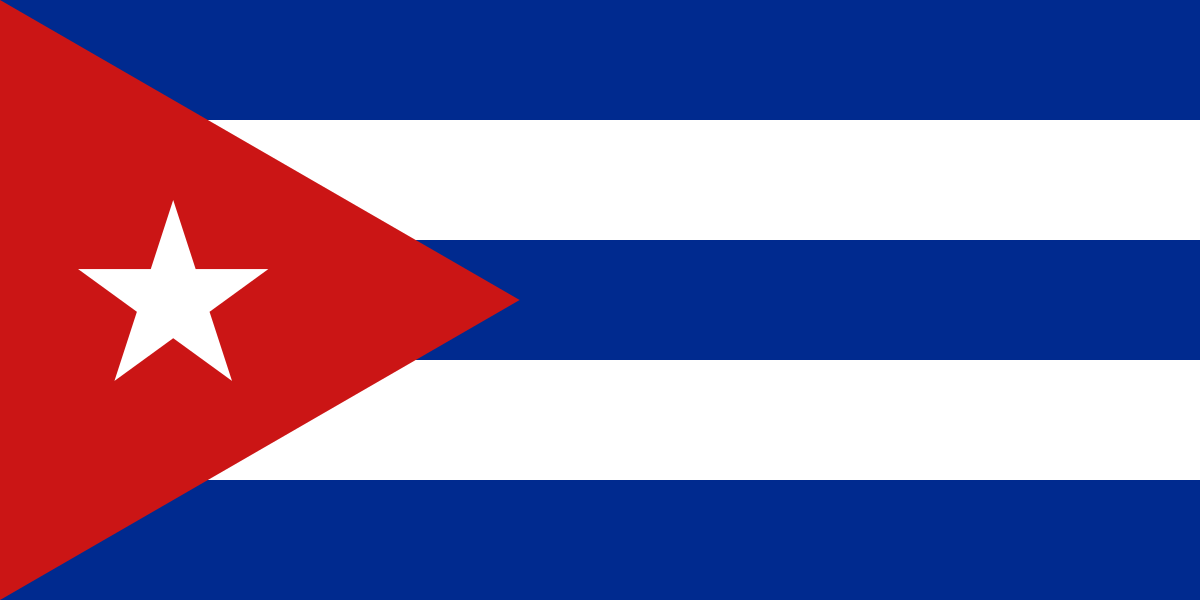
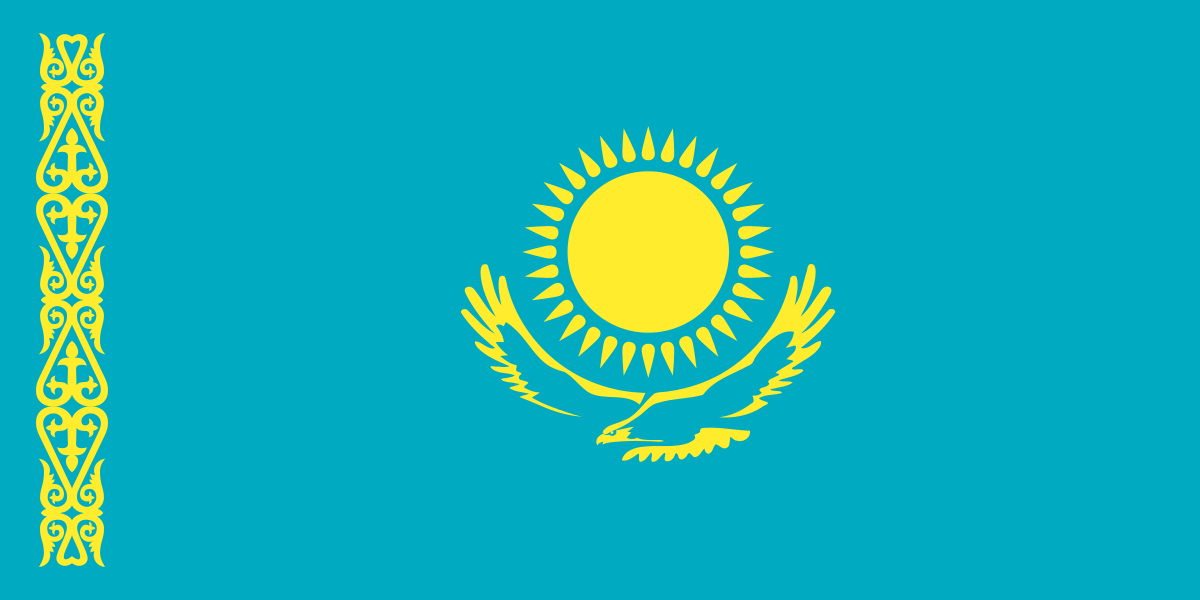
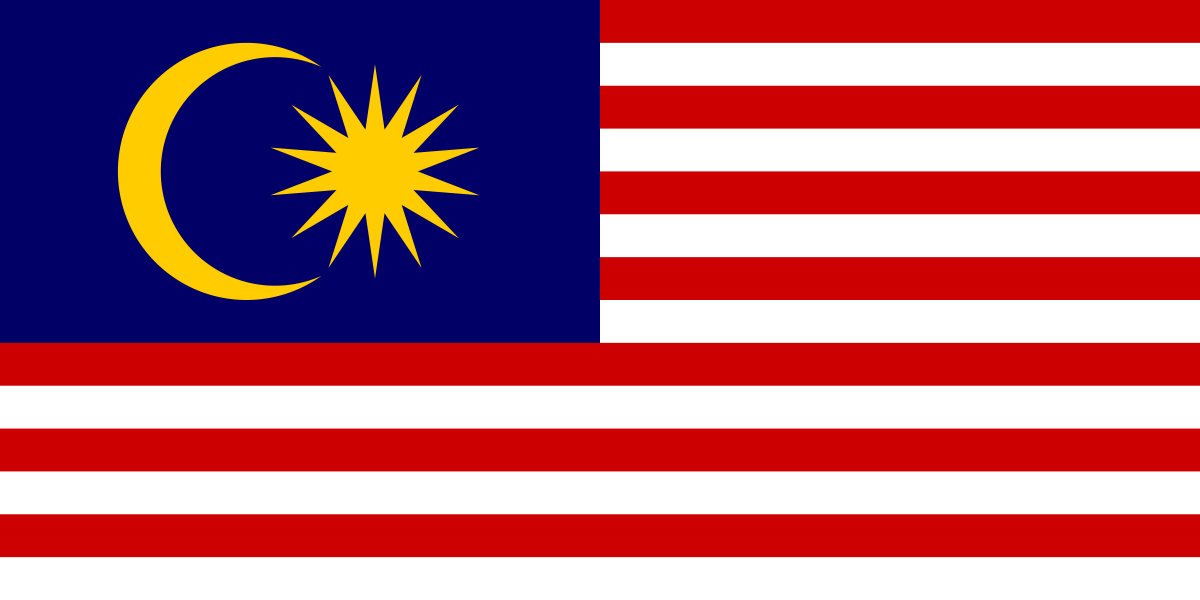
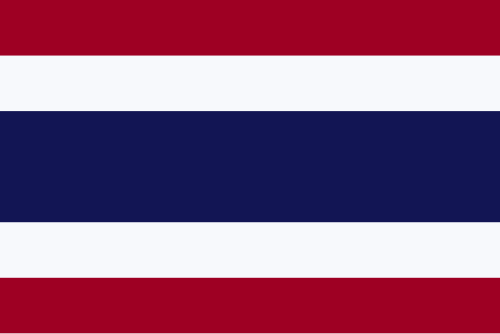
In 2025, ten Partner countries joined BRICS: Belarus, Bolivia, Cuba, Kazakhstan, Malaysia, Nigeria, Thailand, Uganda, Uzbekistan, and Vietnam.
How many times India has been the Chair of BRICS?
India will chair BRICS for the fourth time in 2026, having previously held the Chairship in 2012, 2016, and 2021.
How many BRICS Summits have been concluded by 2025?
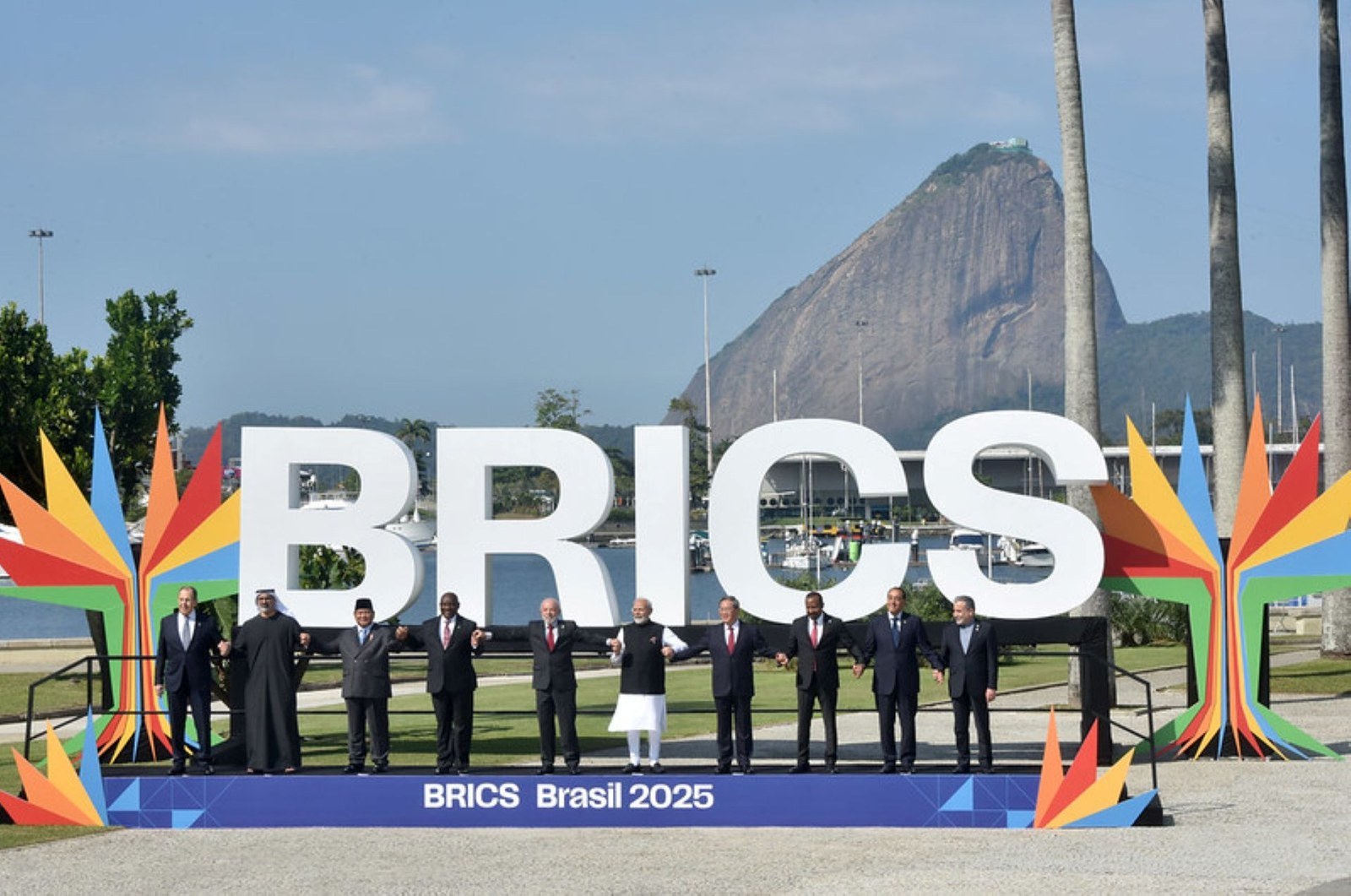
Seventeen BRICS Summits have taken place so far: 17th BRICS Summit: 6-7 July 2025 (Rio de Janeiro, Brazil), 16th BRICS Summit: 22-24 October 2024 (Kazan, Russia), 15th BRICS Summit: 22-24 August 2023 (Johannesburg, South Africa), 14th BRICS Summit: 23-24 June 2022 (Beijing, China), 13th BRICS Summit: 9 September 2021 (New Delhi, India), 12th BRICS Summit: 17 November 2020 (Moscow, Russia), 11th BRICS Summit: 13-14 November 2019 (Brasilia, Brazil), 10th BRICS Summit: 25-27 July 2018 (Johannesburg, South Africa), 9th BRICS Summit: 4-5 September 2017 (Xiamen, China), 8th BRICS Summit: 15-16 October 2016 (Goa, India), 7th BRICS Summit: 8-9 July 2015 (Ufa, Russia), 6th BRICS Summit: 14–16 July 2014 (Fortaleza, Brazil), 5th BRICS Summit: 26–27 March 2013 (Durban, South Africa), 4th BRICS Summit: 29 March 2012 (New Delhi, India), 3rd BRICS Summit: 14 April 2011 (Sanya, China), 2nd BRIC Summit: 16 April 2010 (Brasilia, Brazil), 1st BRIC Summit: 16 June 2009 (Yekaterinburg, Russia).
What are the main areas of cooperation in BRICS?
The BRICS agenda has expanded considerably from its initial focus on economic issues of mutual concern and is structured around three core pillars: political and security cooperation, economic and financial cooperation, and people-to-people exchanges. BRICS cooperation continues to broaden its scope across a wide range of global issues, including terrorism, climate change, food and energy security, the international economic and financial situation, telecommunications, agriculture, labour and employment, international financial architecture, trade, and the WTO.
What is the theme of India’s BRICS Chairship in 2026?
India’s BRICS Chairship is guided by the theme “Building for Resilience, Innovation, Cooperation and Sustainability”, reflecting a people-centric and humanity-first approach articulated by the Hon’ble Prime Minister at the 2025 Rio Summit.
What does India BRICS 2026 Chairship logo mean?
The BRICS logo for India’s 2026 Chairship beautifully blends tradition with modernity. At its heart is the lotus, representing purity, resilience, and progress, while its petals radiate the vibrant colours of all BRICS member countries, reflecting collective strength and unity. At the centre, the graceful “Namaste” gesture captures India’s timeless spirit of warmth, respect, and harmonious collaboration.